


P H I L O S O P H Y
regenerare — Latin root word of ‘regeneration’ meaning:
To bring forth again
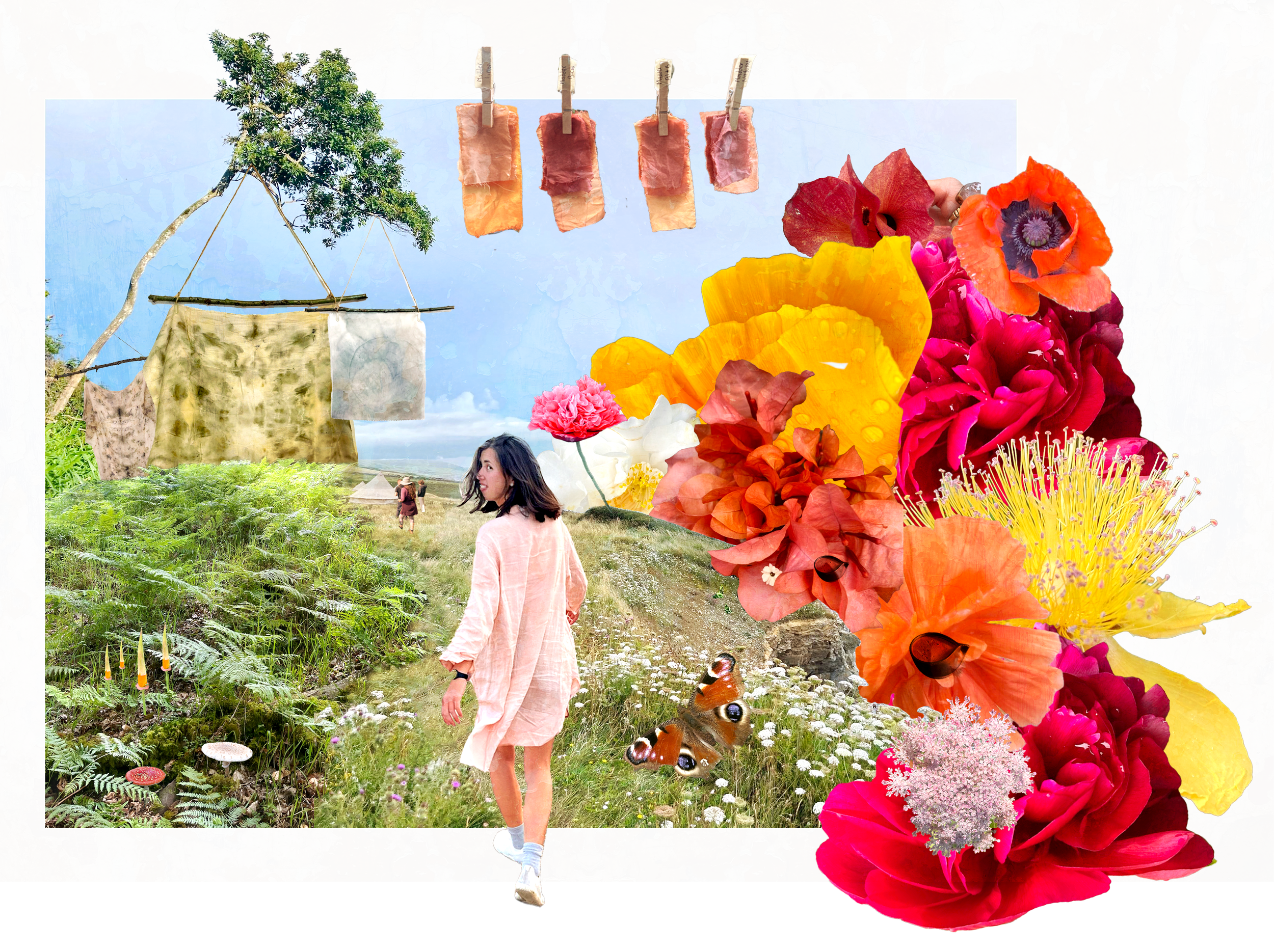
This is our north star. We seek to bring forth beauty, reconnection with Nature, and healthy ecosystems through all that we do. The Atelier’s principles below reflect our regenerative ethos.
01. Always ethical & sustainable
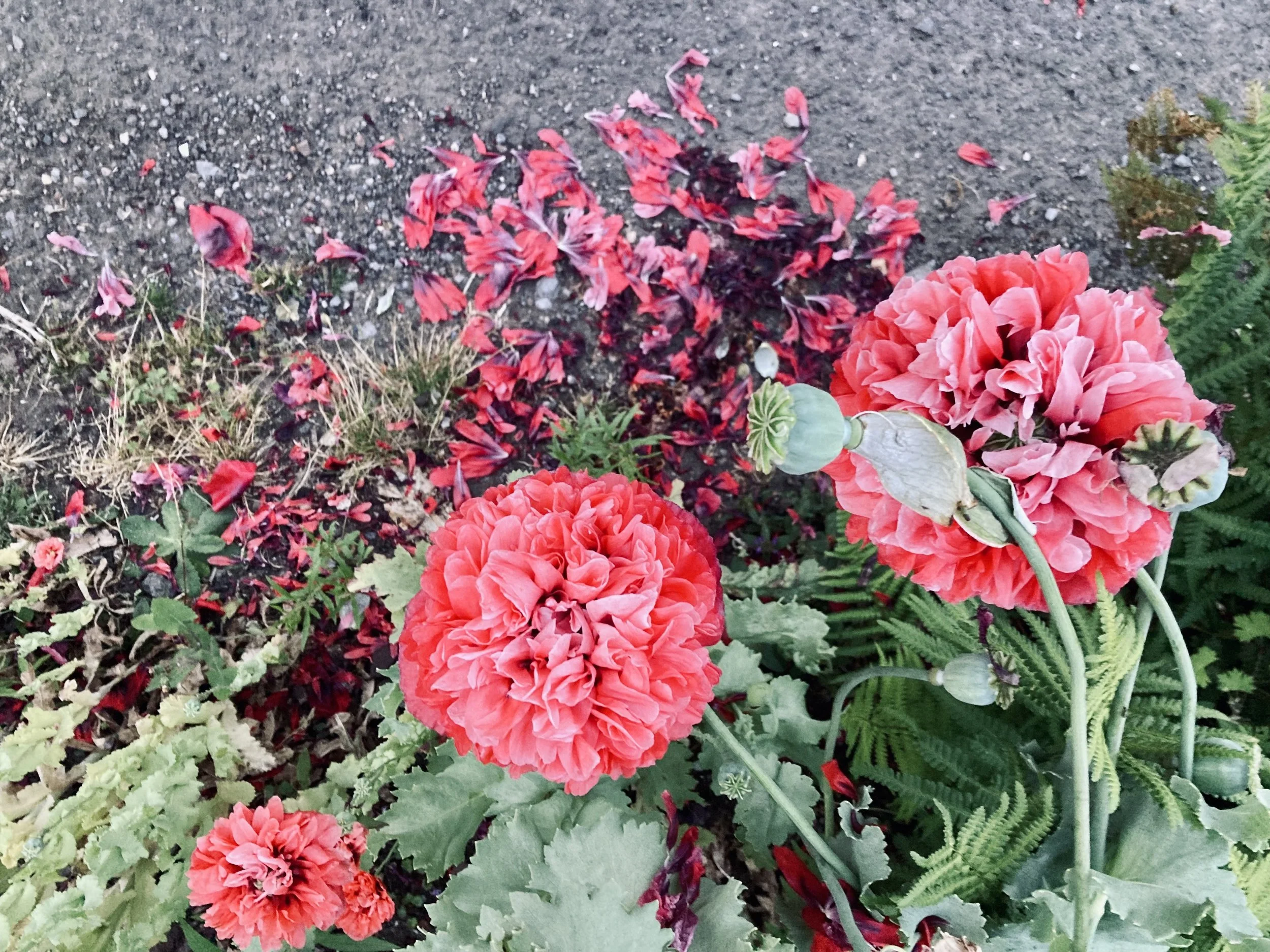
Low-impact provenance is priority. Responsibly foraging botanicals following the UK Countryside Code. Collecting fallen flower petals from pesticide-free sources. Using zero toxins or chemicals in the dyeing process. .
Fabrics are 100% natural fibres and are either: dead-stock materials from UK fashion designers (a circular approach to preventing waste) or pesticide- and chemical-free peace silk or cotton. Peace silk is an ethical silk production method that allows silk worms to live their full life cycles, as opposed to industrial techniques that cut their lives short for the sake of speed and profit. We source peace silk from an organic farm in England.
02. Work at Nature’s pace
We don’t pick flowers. We wait for their petals to drop before collecting them. There’s no rushing Nature’s cycles. No cutting a flower’s glory short. Working seasonally, using fresh and dried petals from past seasons. Botanicals, like rosemary and rose hips, are foraged in season and used fresh.
03. Place-based practices
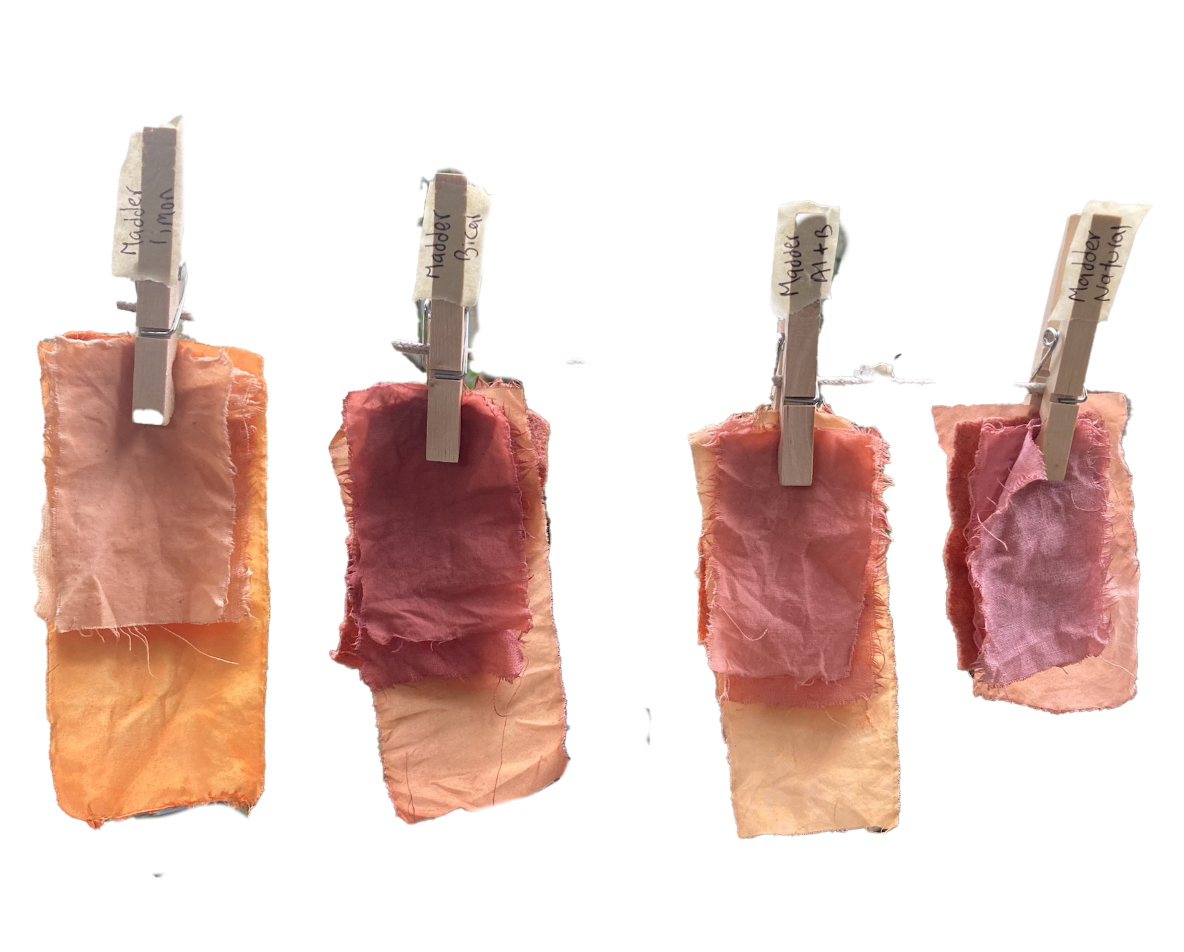
We don’t ship in dye stuffs from far-away places. Not even from national sources. Every place is unique and carries a story, an essence. By using botanicals from a specific local bioregion in a given piece, the resulting work preserves time and place. An artefact telling the story of a special place for decades to come.
04. Allow space for magic
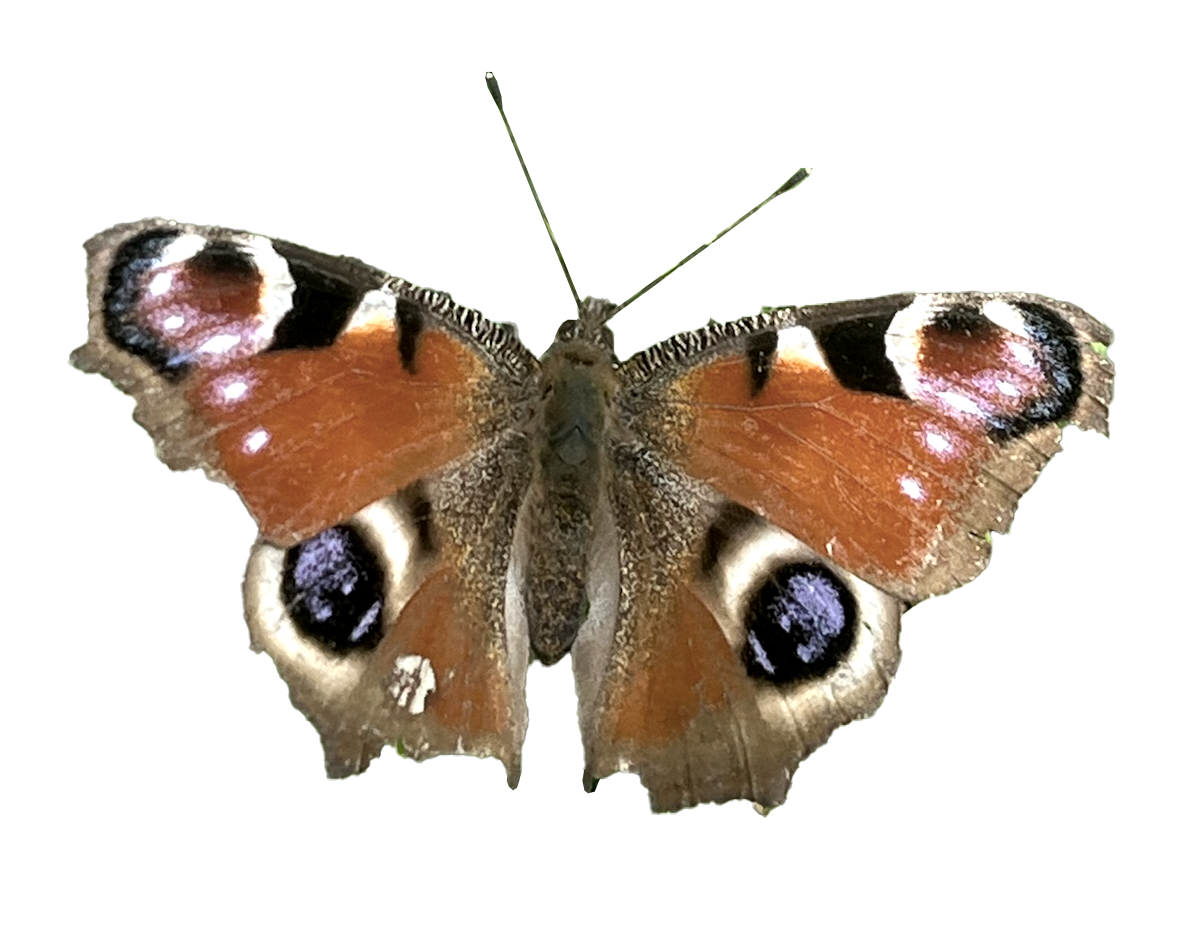
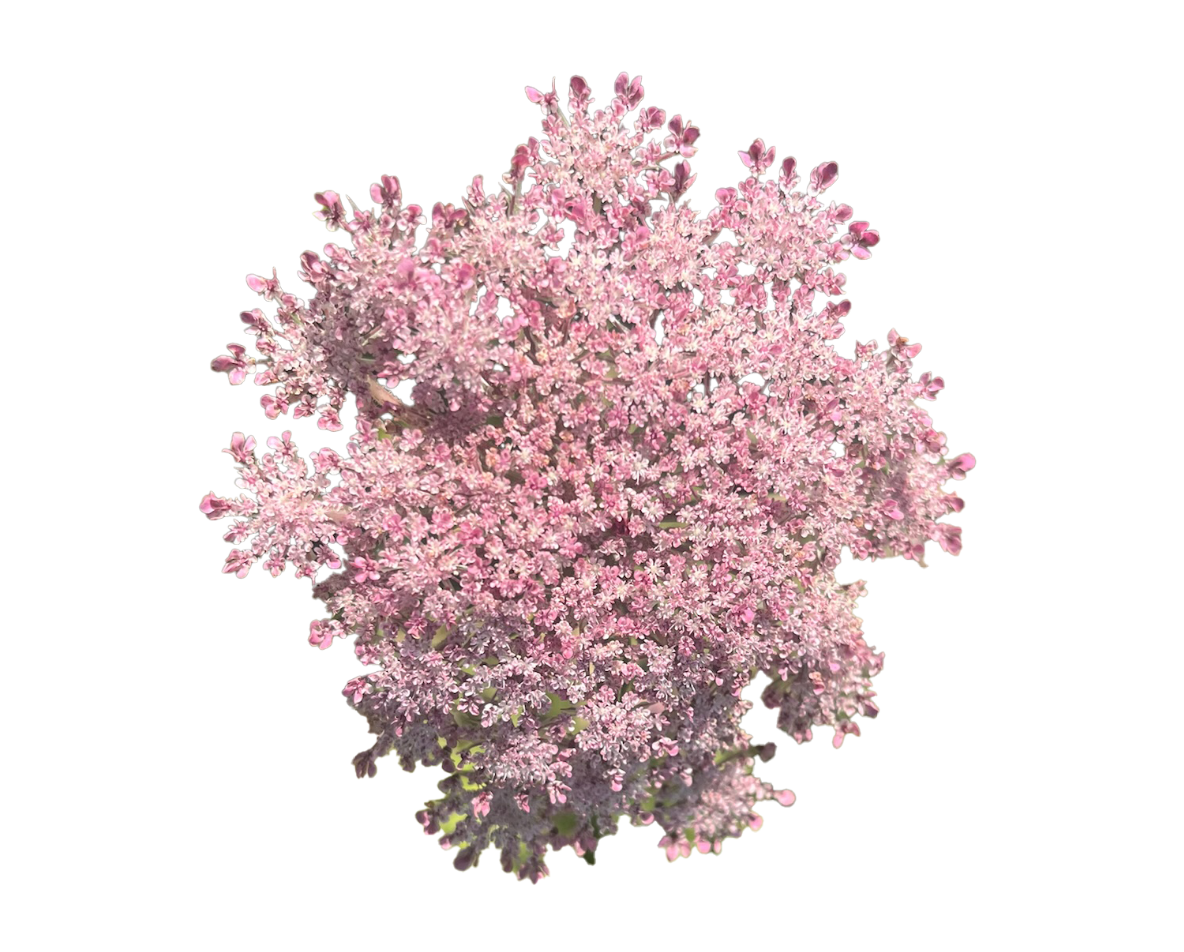
Natural dyeing, and especially our core practice of botanical silk dyeing, is highly experimental and unpredictable. Unlike traditional visual arts such as painting, there is no way to control the resulting patterns and colours with precision. It’s an alchemical process where the power of water turning to steam allows the flower petals to create compositions on cloth. Truly magical to witness Nature’s work. By suspending control and expectations, we create space for emergence. Where the magic can be revealed.
05. Embrace the thresholds
Whether it’s summer turning to autumn, an aging apple tree in a garden, or the drooping of flowers in a vase, Nature’s intelligence is always guiding cycles of life and death. This is the natural course of life. And these same cycles of life and death show up in own lives as different eras, different versions of ourselves. Always evolving and occasionally rebirthing ourselves. Marriage, funerals, childbirth, menopause — these are all thresholds in life. We are here to honour these moments by working with Nature’s cycles.
Delicate remains of flowers
once-past paint their stories across blank canvases of pure silk -
a fabric bathed in history and woven into cultures, from East to West.
A marriage of old and new. An invitation into the liminal in-between.
Ancient dyeing techniques infuse the essence of Place and
memory of time into swathes of silk,
crafted to adorn walls and wearers
with whispers from the land.
My practice invites you into a world steeped in ceremony, where we honour the universal times of transition - marriage, births, death, and all that unfolds in between.
Through the alchemy of botanical silk dyeing, we reclaim the art of ritual. Collaborating with Nature, we tend relationships of
reverence and reciprocity, remembering our place as part of Nature.
Working with cycles of life and death,
materials like peace silk, deadstock fabrics, fallen flower petals, and
post-event bouquets return to
the womb of all beginnings;
offering us the tools to
birth beauty into being.
Journeying into the ethereal world of botanical dyeing, we rewrite our relationship with the natural world and ritualise the moments of transformation in our own lives.
T H E S E P R O C E S S E S
L I S T E N TO T H E E C H O E S
F R O M T H E L A N D,
C O L L A B O R A T I N G W I T H T H E
F L O W E R S & C R E A T I N G
A P L A T F O R M
F O R C O M M U N I C A T I N G
W I T H T H E M O R E-T H A N-H U M A N
W O R L D.
E M M A C H O W
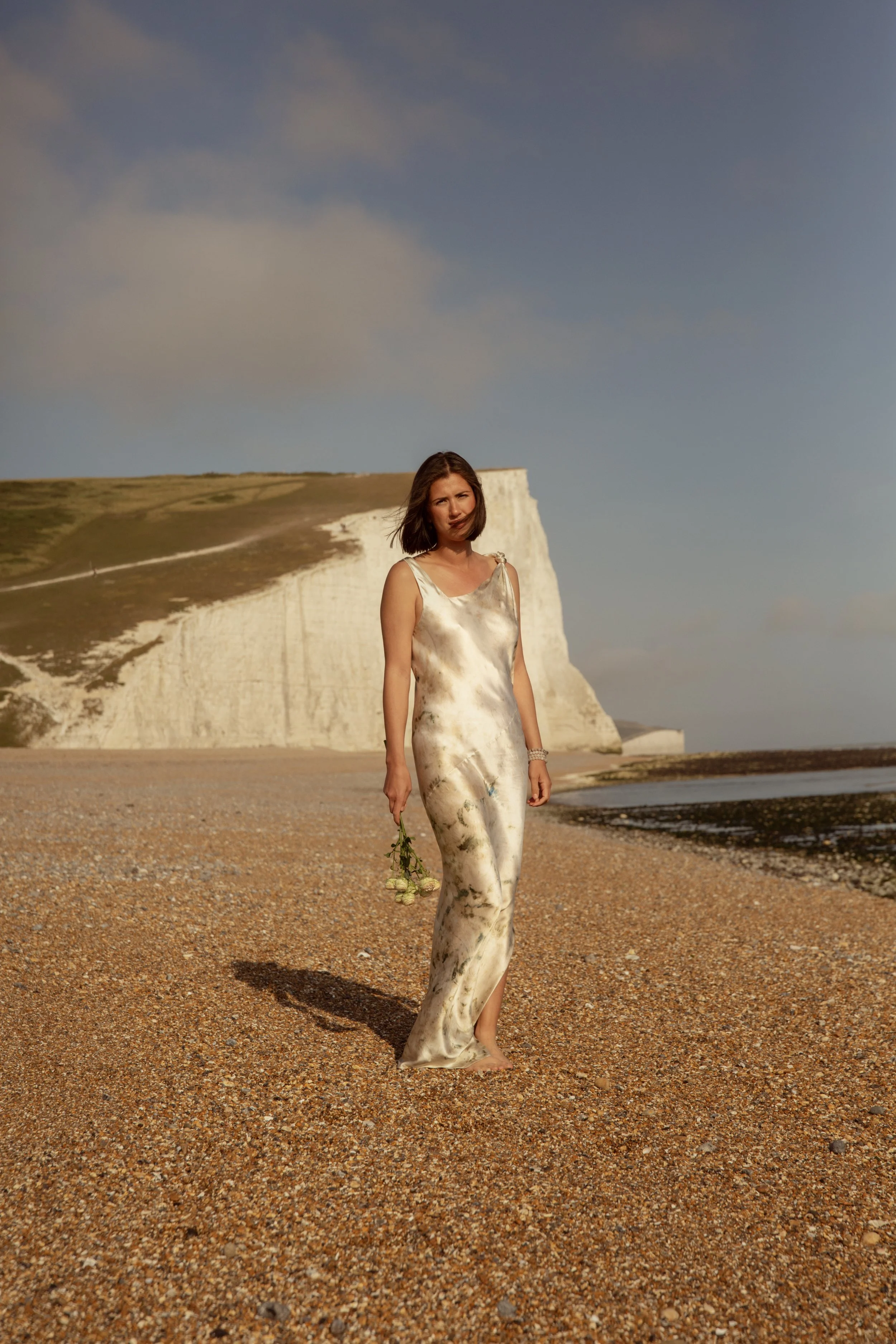
Emma is a designer who works in dialogue with nature, transforming flowers, botanicals, and forgotten fabrics into living works of wearable and hangable textile art. Her practice is rooted in regeneration and ancestral memory—silk from her Chinese heritage, botanicals from her British lineage—woven together through natural dyeing traditions she learned from artists and traditional Indigenous dyers across Latin America.
Emma creates work to honour life in all its multiplicity, cultivating a future where humans and nature thrive together. Her art evolved when she saw the misalignment between her sustainability work and the conventional art materials (petroleum based paints, etc.) she was historically using. In an effort to embody regenerative principles through her practice, Emma discovered natural dyeing and has developed her craft, giving way to Emma Chow Atelier.
Her intention is to create pieces of both adornment and reminder: that we are part of Nature, and that beauty can guide us back into living in right-relationship with the natural world. Emma’s work honours what is often overlooked, revealing the quiet, subtle abundance that lays within decay. She is dedicated to sharing the poetry of transformation both through her art and as a wellbeing practitioner and impact consultant.
Originally from Toronto, Canada, Emma is now based in the medieval town of Rye in England.
Visit Emma’s personal website
www.emmacchow.com